| MEDIUM | docs/snippets/rag-project.snippet.md | 1 | ## ⭐️ RAG 实战项目推荐 | COMMENT |
| MEDIUM | docs/database/mysql/mysql-to-elasticsearch-sync.md | 220 | 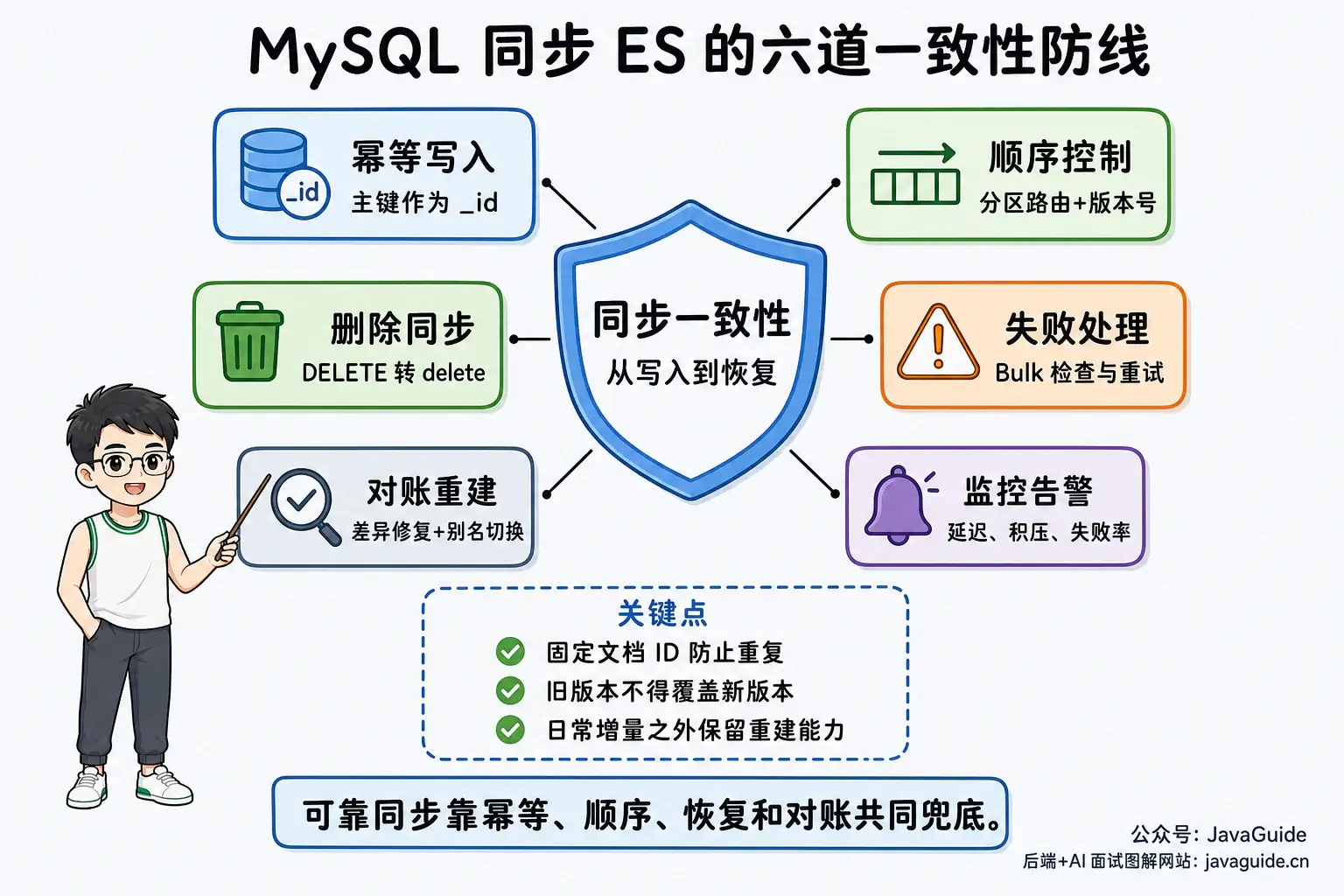 | CODE |
| MEDIUM | docs/roadmap/java-to-ai-roadmap.md | 121 | ### RAG 概念引入 | COMMENT |
| MEDIUM | docs/roadmap/java-to-ai-roadmap.md | 272 | ## 阶段三:RAG + 知识图谱(2~3 周) | COMMENT |
| MEDIUM | docs/roadmap/java-to-ai-roadmap.md | 306 | ### 向量检索:RAG 的核心引擎 | COMMENT |
| MEDIUM | docs/roadmap/java-to-ai-roadmap.md | 328 | ### 知识图谱与 GraphRAG:给 RAG 加个逻辑骨架 | COMMENT |
| MEDIUM | docs/roadmap/java-to-ai-roadmap.md | 344 | ### RAG 评估:没有指标就是盲调 | COMMENT |
| MEDIUM | docs/roadmap/java-to-ai-roadmap.md | 362 | ### 从 RAG 到 Agentic RAG | COMMENT |
| MEDIUM | docs/ai/TODO.md | 43 | ## P1 · RAG 深水区扩展 | COMMENT |
| MEDIUM | docs/ai/README.md | 115 | ### RAG 检索增强生成 | COMMENT |
| MEDIUM | docs/ai/ai-core-concepts.md | 406 | ## RAG | COMMENT |
| MEDIUM | docs/ai/ai-core-concepts.md | 417 | ### 什么是 RAG? | COMMENT |
| MEDIUM | docs/ai/ai-core-concepts.md | 429 | ### RAG 工作原理 | COMMENT |
| MEDIUM | …i/interview-questions/agent-project-interview-guide.md | 194 | ### RAG、Memory、Context 和 State 怎么区分? | COMMENT |
| MEDIUM | docs/ai/interview-questions/rag-interview-questions.md | 17 | ## RAG 基础 | COMMENT |
| MEDIUM | docs/ai/interview-questions/rag-interview-questions.md | 73 | ## RAG 检索优化 | COMMENT |
| MEDIUM | docs/ai/agent/multi-agent.md | 21 | [AI Agent 核心概念](./agent-basis.md#multi-agent) 已经介绍过 Orchestrator-Subagent、Peer-to-Peer 等协作模式。这篇文章继续讨论这些模式落到项目以后,任务、状态、冲突 | CODE |
| MEDIUM | docs/ai/agent/prompt-engineering.md | 535 | ### RAG 与混合检索 | COMMENT |
| MEDIUM | docs/ai/agent/agent-basis.md | 333 | 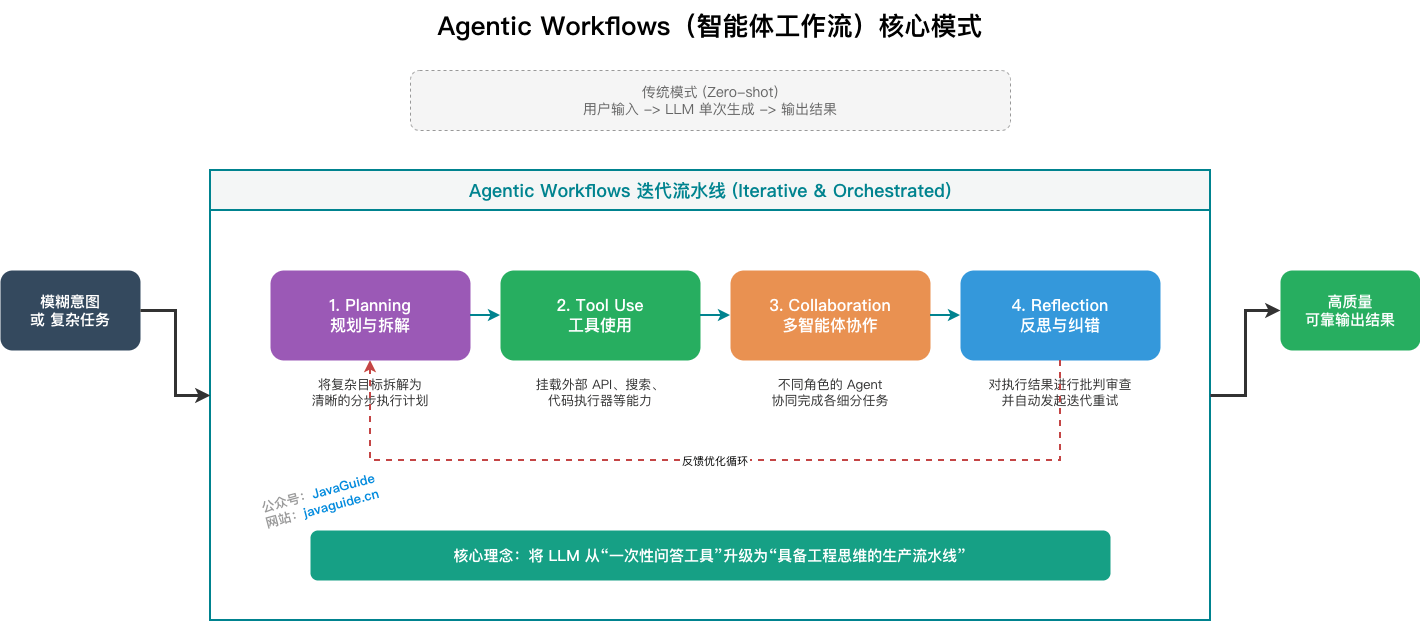 | CODE |
| MEDIUM | docs/ai/agent/agent-memory.md | 108 | ### 长期记忆和 RAG 有什么区别? | COMMENT |
| MEDIUM | docs/ai/agent/context-engineering.md | 233 | # 3. 使用 RAG(Retrieval-Augmented Generation)策略检索相关证据或上下文信息 | COMMENT |
| MEDIUM | docs/ai/agent/context-engineering.md | 328 | ### 动态上下文:RAG、记忆、工具结果不要一股脑塞 | COMMENT |
| MEDIUM | docs/ai/rag/rag-evaluation.md | 15 | ## 什么是 RAG 评测? | COMMENT |
| MEDIUM | docs/ai/rag/rag-evaluation.md | 35 | ## 为什么需要 RAG 评测? | COMMENT |
| MEDIUM | docs/ai/rag/rag-optimization.md | 15 | ## RAG 优化到底在优化什么? | COMMENT |
| MEDIUM | docs/ai/rag/rag-optimization.md | 64 | ## RAG 优化闭环 | COMMENT |
| MEDIUM⚡ | docs/ai/rag/rag-basis.md | 15 | ## 什么是 RAG? | COMMENT |
| MEDIUM⚡ | docs/ai/rag/rag-basis.md | 21 | ## 为什么需要 RAG? | COMMENT |
| MEDIUM⚡ | docs/ai/rag/rag-basis.md | 31 | ## RAG 的常见用途有哪些? | COMMENT |
| MEDIUM⚡ | docs/ai/rag/rag-basis.md | 41 | ## 为什么有些企业还是宁愿用传统搜索而不是 RAG? | COMMENT |
| MEDIUM | docs/ai/rag/rag-basis.md | 61 | ## RAG 工作原理了解吗? | COMMENT |
| MEDIUM | docs/ai/rag/rag-basis.md | 125 | ## RAG 与传统搜索引擎的区别是什么? | COMMENT |
| MEDIUM | docs/ai/rag/rag-basis.md | 137 | ## RAG 和微调怎么选? | COMMENT |
| MEDIUM | docs/ai/rag/rag-basis.md | 154 | ## 长上下文窗口会取代 RAG 吗? | COMMENT |
| MEDIUM | docs/ai/rag/rag-basis.md | 167 | ## RAG 有哪些演进阶段? | COMMENT |
| MEDIUM | docs/ai/rag/rag-basis.md | 181 | ## RAG 的工程局限有哪些? | COMMENT |
| MEDIUM | docs/ai/rag/rag-document-processing.md | 371 | ### 完整的多模态 RAG 链路 | COMMENT |
| MEDIUM | docs/ai/rag/graphrag.md | 15 | ## 什么是 RAG? | COMMENT |
| MEDIUM | docs/ai/rag/graphrag.md | 44 | ## 传统向量 RAG 有什么局限性? | COMMENT |
| MEDIUM | docs/ai/rag/graphrag.md | 89 | ## GraphRAG 和传统向量 RAG 的区别 | COMMENT |
| MEDIUM | docs/ai/rag/graphrag.md | 428 | ### 阶段一:先做好向量 RAG 基线 | COMMENT |
| MEDIUM | docs/ai/rag/graphrag.md | 481 | ### 阶段五:按需引入 Hybrid RAG 路由 | COMMENT |
| MEDIUM | docs/ai/rag/graphrag.md | 538 | ## 与其他 RAG 增强路线的对比 | COMMENT |
| MEDIUM | docs/ai/rag/rag-vector-store.md | 32 | ## RAG 场景为什么需要向量数据库? | COMMENT |
| MEDIUM | docs/ai/system-design/llm-gateway.md | 100 | ### LLM Gateway 和 RAG、Agent、MCP 是什么关系? | COMMENT |
| MEDIUM | docs/ai/system-design/ai-application-architecture.md | 151 | ### RAG、Memory、Tool:三类上下文不要混在一起 | COMMENT |
| MEDIUM | docs/ai/system-design/ai-application-architecture.md | 321 | ## RAG 与 Memory:共享知识和个性化记忆怎么协作 | COMMENT |
| MEDIUM | docs/ai/system-design/ai-observability.md | 201 | ### RAG 检索信息 | COMMENT |
| MEDIUM | docs/ai/system-design/ai-observability.md | 295 | ### RAG 层指标 | COMMENT |
| MEDIUM | docs/ai/system-design/ai-observability.md | 320 | ### RAG 返回了错误答案,应该先看哪里? | COMMENT |
| MEDIUM | docs/ai/system-design/ai-observability.md | 720 | ### 如何定位一次 RAG 错误回答? | COMMENT |
| MEDIUM | docs/ai/system-design/llm-security.md | 789 | - [OWASP Top 10 for Agentic Applications 2026](https://genai.owasp.org/resource/owasp-top-10-for-agentic-applications-fo | CODE |
| MEDIUM | docs/ai/system-design/llm-security.md | 802 | - [Anthropic:Mitigate Jailbreaks and Prompt Injections](https://platform.claude.com/docs/en/test-and-evaluate/strengthen | CODE |
| MEDIUM | docs/ai/llm-basis/llm-evaluation.md | 294 | ## RAG 应用怎么评测? | COMMENT |
| MEDIUM | docs/ai/llm-basis/llm-evaluation.md | 397 | ### RAG 评测的两个常见陷阱 | COMMENT |
| MEDIUM | docs/ai/llm-basis/llm-evaluation.md | 884 | ### 4. RAG 评测为什么必须分检索和生成两段? | COMMENT |
| MEDIUM | docs/ai/llm-basis/llm-evaluation.md | 888 | ### 5. Agent 评测为什么比 RAG 更复杂? | COMMENT |
| MEDIUM | docs/high-availability/performance-test.md | 220 |  | CODE |
| MEDIUM | docs/ai-coding/practices/spec-coding.md | 417 | ### 关键词索引频繁漏召回时:评估 RAG | COMMENT |
 Adjusted legacy signal; badge bands: 25 / 50 / 75 (different from dashboard bands).